The meltdown at the Fukushima nuclear plant has sent political aftershocks racing around the globe. More often than not, however, the shocks have been ideological, with no basis in science.
PARIS – The meltdown at the Fukushima nuclear plant has sent political aftershocks racing around the globe. More often than not, however, the shocks have been ideological, with no basis in science.
The managers of Tokyo Electric Power (TEPCO), which operates the Fukushima reactors, have been justly criticized for using an old generation of poorly maintained generators. The Japanese, who perceive themselves as the world’s best engineers, now feel humiliated.
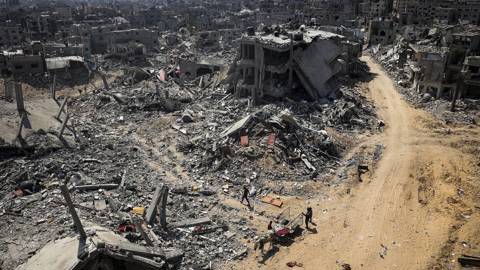
But, despite street protests, the collective reaction in Japan has not been to repudiate nuclear energy. After all, the Fukushima accident has severely injured only a few people – probably less than a dozen workers are dangerously irradiated. Almost all of the thousands of Japanese victims were drowned by the tsunami wave, not wiped out by a nuclear meltdown.
Japan will not stop using nuclear power. Instead, its engineers will develop better and safer plants, most likely relying on the miniaturized nuclear reactors that were planned to replace the aging plant at Fukushima. Most Japanese have remained rational in the face of their country’s tragedy, as have most people in neighboring Asian countries like China and South Korea, which, likewise, have not abandoned their commitment to nuclear energy.
This is not the case in Europe and the United States, where Fukushima’s ideological aftershocks have been most destructive. German Chancellor Angela Merkel’s government was the first to overreact by deciding to close down all nuclear reactors in the coming years – a radical move driven by domestic politics. Merkel’s government does not include Germany’s Greens, but the Green ideology has become a widely shared national creed in Germany. Indeed, one can relate popular hostility toward nuclear energy to Germany’s traditional romantic cult of nature, not to science.
Germany’s nuclear plants will be replaced by more thermal plants, implying a large increase in German carbon emissions – so much for Green concern with global warming! And so much for intellectual honesty, because a Germany without nuclear power of its own will be compelled to buy it from France, which has no intention of closing its nuclear plants.
Access every new PS commentary, our entire On Point suite of subscriber-exclusive content – including Longer Reads, Insider Interviews, Big Picture/Big Question, and Say More – and the full PS archive.
Subscribe Now
In the US, the ideological aftershock is closer to Germany’s than to France’s: the US may not be overly prone to romanticism, but a cult of nature remains part of the American psyche. This may go some way toward explaining why the Democrats, who control the presidency and the Senate, are so committed to so-called alternative energies.
President Barack Obama’s administration has thrown billions of dollars at wind, solar, ethanol, and other alternative-energy resources. Now the Fukushima tragedy is being used to justify continuing these economically dubious programs. We can bet that none of these alternative energies will easily replace oil, gas, and nuclear power in the foreseeable future.
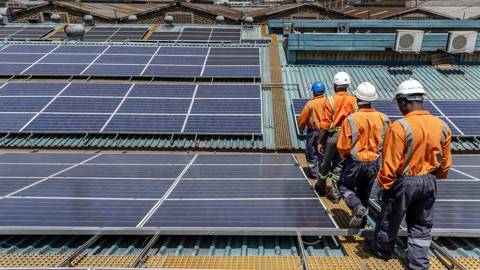
At market prices, without public subsidies, a unit of energy produced by solar or wind in the US costs five times more than a unit produced by oil, gas, or nuclear plants. Moreover, supporters of alternative energies systematically downplay their negative environmental impact. A wind turbine requires 50 tons of steel and half a square mile of ground space. If California were to rely on solar power for its electricity consumption, the entire state would have to be covered with photovoltaic cells.
The great irony of the current situation is that real innovation and entrepreneurial activity, without government support, is taking place in the field of energy generation, such as in the creation of miniaturized nuclear reactors. The most promising breakthrough may well be the discovery of huge reserves of shale gas all over the planet.
Indeed, thanks to the new techniques in hydraulic fracturing and horizontal drilling, shale gas may well become the dominant energy resource of the future. Shale gas could thus reduce dependency on OPEC oil and gas while reducing carbon emission. Gas generates ten times less carbon than biomass or ethanol, which ecologists so heavily promote.
Beyond Fukushima, future energy supplies will most likely rely more and more on miniaturized nuclear plants and shale gas – a mix capable of responding to a rapidly urbanizing world population’s growing demand for electricity.
Such a renewed energy balance would impact the current global balance of power. Shale gas is abundant in Europe and North America, in contrast to oil and gas. Thus, the energy of tomorrow could well reinforce the world’s democracies and weaken its most repressive regimes, where most oil is to be found nowadays. Within this new geopolitical framework, green ideology will survive like a cult or a recipe for economic suicide.
To have unlimited access to our content including in-depth commentaries, book reviews, exclusive interviews, PS OnPoint and PS The Big Picture, please subscribe
Many countries’ recent experiences show that boosting manufacturing employment is like chasing a fast-receding target. Automation and skill-biased technology have made it extremely unlikely that manufacturing can be the labor-absorbing activity it once was, which means that the future of “good jobs” must be created in services.
shows why policies to boost employment in the twenty-first century ultimately must focus on services.
Minxin Pei
doubts China’s government is willing to do what is needed to restore growth, describes the low-tech approaches taken by the country’s vast security apparatus, considers the Chinese social-credit system’s repressive potential, and more.
Log in/Register
Please log in or register to continue. Registration is free and requires only your email address.









PARIS – The meltdown at the Fukushima nuclear plant has sent political aftershocks racing around the globe. More often than not, however, the shocks have been ideological, with no basis in science.
The managers of Tokyo Electric Power (TEPCO), which operates the Fukushima reactors, have been justly criticized for using an old generation of poorly maintained generators. The Japanese, who perceive themselves as the world’s best engineers, now feel humiliated.
But, despite street protests, the collective reaction in Japan has not been to repudiate nuclear energy. After all, the Fukushima accident has severely injured only a few people – probably less than a dozen workers are dangerously irradiated. Almost all of the thousands of Japanese victims were drowned by the tsunami wave, not wiped out by a nuclear meltdown.
Japan will not stop using nuclear power. Instead, its engineers will develop better and safer plants, most likely relying on the miniaturized nuclear reactors that were planned to replace the aging plant at Fukushima. Most Japanese have remained rational in the face of their country’s tragedy, as have most people in neighboring Asian countries like China and South Korea, which, likewise, have not abandoned their commitment to nuclear energy.
This is not the case in Europe and the United States, where Fukushima’s ideological aftershocks have been most destructive. German Chancellor Angela Merkel’s government was the first to overreact by deciding to close down all nuclear reactors in the coming years – a radical move driven by domestic politics. Merkel’s government does not include Germany’s Greens, but the Green ideology has become a widely shared national creed in Germany. Indeed, one can relate popular hostility toward nuclear energy to Germany’s traditional romantic cult of nature, not to science.
Germany’s nuclear plants will be replaced by more thermal plants, implying a large increase in German carbon emissions – so much for Green concern with global warming! And so much for intellectual honesty, because a Germany without nuclear power of its own will be compelled to buy it from France, which has no intention of closing its nuclear plants.
Subscribe to PS Digital
Access every new PS commentary, our entire On Point suite of subscriber-exclusive content – including Longer Reads, Insider Interviews, Big Picture/Big Question, and Say More – and the full PS archive.
Subscribe Now
In the US, the ideological aftershock is closer to Germany’s than to France’s: the US may not be overly prone to romanticism, but a cult of nature remains part of the American psyche. This may go some way toward explaining why the Democrats, who control the presidency and the Senate, are so committed to so-called alternative energies.
President Barack Obama’s administration has thrown billions of dollars at wind, solar, ethanol, and other alternative-energy resources. Now the Fukushima tragedy is being used to justify continuing these economically dubious programs. We can bet that none of these alternative energies will easily replace oil, gas, and nuclear power in the foreseeable future.
At market prices, without public subsidies, a unit of energy produced by solar or wind in the US costs five times more than a unit produced by oil, gas, or nuclear plants. Moreover, supporters of alternative energies systematically downplay their negative environmental impact. A wind turbine requires 50 tons of steel and half a square mile of ground space. If California were to rely on solar power for its electricity consumption, the entire state would have to be covered with photovoltaic cells.
The great irony of the current situation is that real innovation and entrepreneurial activity, without government support, is taking place in the field of energy generation, such as in the creation of miniaturized nuclear reactors. The most promising breakthrough may well be the discovery of huge reserves of shale gas all over the planet.
Indeed, thanks to the new techniques in hydraulic fracturing and horizontal drilling, shale gas may well become the dominant energy resource of the future. Shale gas could thus reduce dependency on OPEC oil and gas while reducing carbon emission. Gas generates ten times less carbon than biomass or ethanol, which ecologists so heavily promote.
Beyond Fukushima, future energy supplies will most likely rely more and more on miniaturized nuclear plants and shale gas – a mix capable of responding to a rapidly urbanizing world population’s growing demand for electricity.
Such a renewed energy balance would impact the current global balance of power. Shale gas is abundant in Europe and North America, in contrast to oil and gas. Thus, the energy of tomorrow could well reinforce the world’s democracies and weaken its most repressive regimes, where most oil is to be found nowadays. Within this new geopolitical framework, green ideology will survive like a cult or a recipe for economic suicide.